PRAYING THROUGH EMBODIED DRAWING
Tractio Divina and Trauma
Trauma has many different definitions that are based on a diversity of perspectives from which it is considered. The word “trauma” etymologically derives from the Greek word meaning “wound.” In essence, trauma is a wound – the reason why some authors refer to “trauma” as “traumatic wounding.” The following are some author’s definition of trauma: Theologian and author, Jennifer Baldwin defines trauma as “the response to an experience/s not the event experienced.” Dr Gabor Maté similarly defines trauma as “not what happens to you, but what happens inside you as a result of what happened to you.” Bessel van der Kolk defines trauma as “an inability to inhabit one’s body without being possessed by its defences.” Finally, Peter Levine says trauma is “a highly activated incomplete biological response to threat, frozen in time.” Each of these definitions highlight that trauma occurs in the body.
Trauma and the Body
Trauma is primarily a “bodily” process – its roots lie in our instinctual physiologies. Trauma is a “response” to an experience that mimics the original traumatic event. The immediate symptoms of a trauma response may include hyperarousal, constriction, dissociation, denial, feelings of helplessness, immobility, or freezing. Other symptoms, that are either affective or psychosomatic consequences of trauma, may include: hypervigilance, intrusive imagery/flashbacks, extreme sensitivity to light and sound, hyperactivity, exaggerated startle responses, night terrors, abrupt mood swings, shame, low self-worth, being easily stressed, and difficulty with sleeping. All these complex bodily symptoms of trauma may cause survivors to feel chronically unsafe inside their bodies.
Some Challenges for Trauma Survivors
Dissociation and Embodiment
Dissociation is the term that refers to leaving one’s body. It is the result of trauma survivors feeling chronically unsafe inside their body. While dissociation may make life tolerable, it comes with the high cost of losing awareness of what is going on inside the body, including the daily pleasure and comforts of human embodiment.
Interoception and Alexithymia
Interoception refers to our ability to sense the internal signals from our body, like when we are hungry, cold, or tired.
Connecting with our body through interoception is vital for knowing what is going on inside ourselves. The technical term for not being able to identify what is going on inside ourselves is alexithymia. A person suffering from alexithymia is unable to articulate what they feel about any given situation or how they themselves feel. Alexithymia is the result of numbing. It prevents a person from anticipating and responding to the needs of their body. It is critical for survivors of trauma to develop sensory awareness to learn that they can tolerate their sensations and inner experiences and create new patterns of behaviour. This is also important for learning to regulate the Central Nervous System (CNS).
Regulating the CNS: Hyper/Hypo-arousal
Learning to regulate the CNS is key to avoid traumatisation. It requires normalizing ourselves and developing the ability to return to equilibrium and balance. If this does not happen then the CNS can be left in a dysregulated state – either a hyperaroused or shut-down (dissociated) state. This makes it impossible to function normally. Survivors of trauma may find it challenging to regulate their CNS. There is increasing research to suggest that body-based methods may benefit regulation of the CNS.
Useful resources for survivors of sexual abuse trauma that may be used with the practice of Tractio Divina.
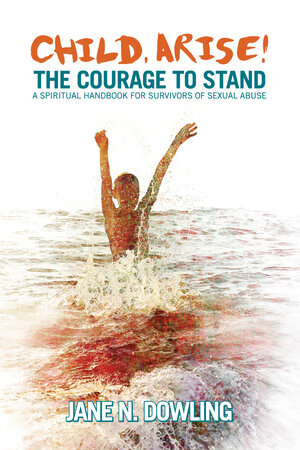
Child, Arise! - The Courage to Stand
Come Forward! - Bold Enough to Heal